

In today’s competitive manufacturing environment, companies need faster ways to develop, test, and improve new products. Traditional product development methods often require long production cycles, expensive tooling, and complicated manufacturing preparation.
CNC Machining has become an important solution for rapid prototyping and product development because it allows engineers to quickly transform digital designs into physical components with high accuracy and reliable quality.
Through advanced CNC technology, manufacturers can create prototype parts directly from CAD drawings without requiring complex molds or long preparation periods. This makes CNC machining highly suitable for testing product concepts, verifying designs, and improving final products before mass production.
The connection between CNC machining and rapid prototyping provides several advantages, including faster development cycles, design flexibility, accurate prototype testing, and reduced manufacturing risks.
For industries such as automotive, aerospace, Medical Equipment, electronics, automation, and industrial machinery, CNC machining plays an important role in turning innovative ideas into practical products.
This article explains how CNC Machining Supports rapid prototyping and product development, including its process, advantages, applications, and importance in modern manufacturing.
What Is CNC Machining for Product Development?
CNC machining is a manufacturing process that uses computer-controlled machines to remove material from a workpiece and create precise components.
The CNC machining process uses digital design information from CAD models or engineering drawings. The CNC system controls cutting tools and machining movements according to programmed instructions.
In product development, CNC machining is mainly used for:
Prototype production
Functional testing
Design verification
Product improvement
Small batch manufacturing
Unlike traditional manufacturing methods that may require molds or specialized tooling, CNC machining allows engineers to produce prototypes directly from digital designs.
This makes CNC Machining Rapid Prototyping an efficient approach for companies developing new products.
Why Rapid Prototyping Is Important in Product Development
Rapid prototyping is the process of quickly creating physical models or functional prototypes to evaluate product designs.
Before final production, engineers need to confirm:
Product structure
Mechanical performance
Assembly accuracy
Material selection
User requirements
A prototype helps identify potential issues early.
Without prototype testing, companies may face:
Design problems
Manufacturing difficulties
Higher production costs
Longer development cycles
By using CNC machining for rapid prototyping, engineers can quickly test and improve product designs before moving into larger production.
How CNC Machining Supports Rapid Prototyping
CNC machining supports rapid prototyping through several important capabilities.
1. Fast Conversion from Digital Design to Physical Prototype
One of the biggest advantages of CNC machining is the ability to quickly convert digital designs into physical components.
The process usually includes:
Creating a CAD model
Generating CNC programming
Preparing materials
Machining prototype parts
Inspecting finished prototypes
This streamlined process reduces the time between design and testing.
For product development teams, faster prototype creation means more opportunities to evaluate and improve designs.
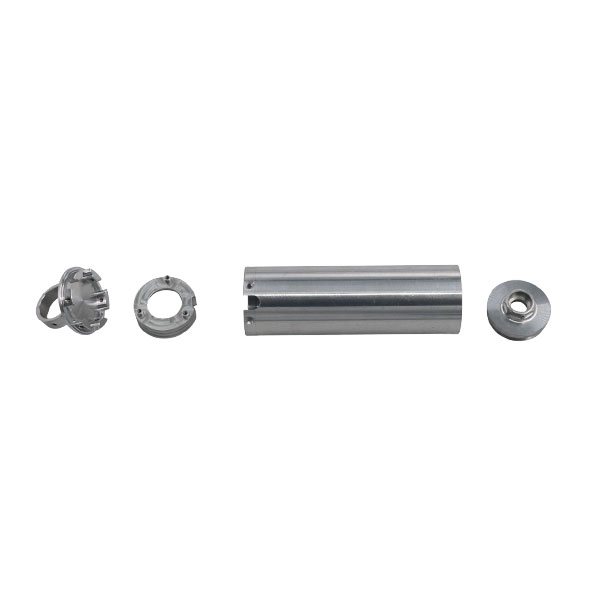
2. High Accuracy for Functional Testing
Prototype quality directly affects testing results.
Poor-quality prototypes may not accurately represent the final product.
CNC machining provides high dimensional accuracy, allowing prototypes to closely match final production requirements.
Accurate CNC prototypes help engineers evaluate:
Component fitting
Mechanical performance
Assembly processes
Product functionality
This makes CNC machining rapid prototyping valuable for industries requiring precise product testing.
3. Ability to Produce Complex Prototype Designs
Modern products often include complex structures that require advanced manufacturing methods.
CNC machining can create:
Complex geometries
Detailed features
Precision holes
Customized structures
This allows engineers to test innovative designs that may be difficult to produce using traditional methods.
4. Material Selection Flexibility
A major advantage of CNC machining is the ability to use many different materials during prototype development.
Common CNC Machining Materials include:
Aluminum is popular for prototypes because it provides:
Lightweight performance
Good machinability
Corrosion resistance
It is widely used for functional prototypes.
Stainless steel provides:
High strength
Durability
Corrosion resistance
It is suitable for prototypes requiring strong mechanical performance.
Engineering plastics offer:
Lightweight properties
Electrical insulation
Chemical resistance
They are suitable for many product testing applications.
Copper provides:
Good conductivity
Thermal performance
It is used in specialized prototype applications.
5. Easy Design Modification
Product development requires continuous improvement.
During prototype testing, engineers often discover areas that need modification.
CNC machining makes design changes easier because new prototype parts can be produced directly from updated digital files.
This supports:
Faster design iteration
Improved product performance
Reduced development risks
The ability to quickly modify prototypes is one reason why CNC machining is widely used in product development.
CNC Machining Process for Rapid Prototyping
The CNC machining rapid prototyping process involves several stages.
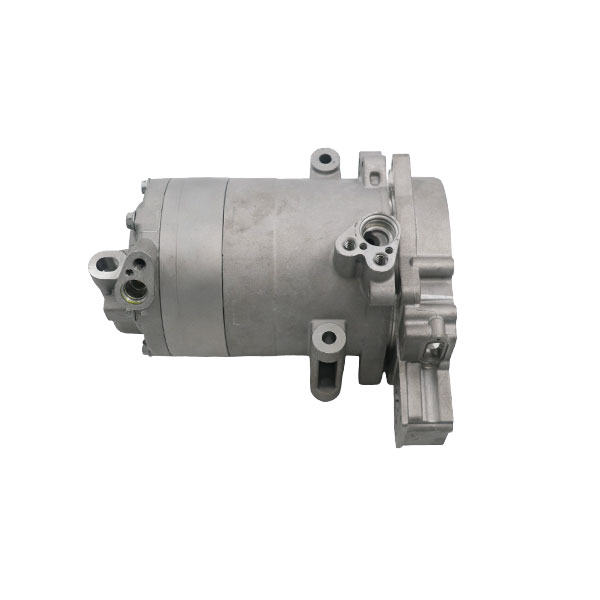
Step 1: Product Design
The process begins with creating a digital product design.
Engineers define:
Component dimensions
Functional requirements
Material specifications
Assembly conditions
Step 2: CAD Model Development
CAD models provide detailed information for CNC machining.
They allow engineers to:
Visualize the prototype
Modify designs
Prepare machining data
Step 3: CNC Programming
The CAD model is converted into CNC machine instructions.
Programming controls:
Tool paths
Cutting operations
Machining sequence
Step 4: Prototype Machining
The CNC machine creates the prototype according to programmed instructions.
Machining methods may include:
Drilling
Surface machining
Step 5: Prototype Inspection
After machining, prototypes are inspected.
Inspection checks:
Dimensions
Surface quality
Assembly compatibility
Functional requirements
Advantages of CNC Machining in Product Development
CNC machining provides several advantages for product development projects.
Faster Product Development Cycles
Traditional manufacturing methods may require long preparation times.
CNC machining reduces development time by allowing direct production from digital designs.
This helps companies:
Test ideas faster
Improve designs quickly
Launch products more efficiently
Reduced Development Costs
Early prototype testing helps identify problems before mass production.
This reduces:
Design modification costs
Manufacturing risks
Production errors
Although prototype production requires investment, CNC machining can reduce overall development expenses.
Improved Product Quality
Testing physical prototypes allows engineers to improve product performance.
CNC prototypes help evaluate:
Structural strength
Component compatibility
Functional performance
Better testing leads to better final products.
Support for Low Volume Production
In addition to prototyping, CNC machining can support low volume manufacturing.
This is useful for:
Limited product releases
Customized products
Market testing
Companies can produce small quantities before large-scale manufacturing.
CNC Machining Applications in Product Development
Many industries use CNC machining for rapid prototyping and product development.
Automotive Product Development
Automotive companies use CNC machining to develop:
Prototype components
Mechanical parts
Testing samples
CNC prototypes help engineers evaluate design performance before production.
Aerospace Product Development
Aerospace products require:
High precision
Lightweight structures
Reliable materials
CNC machining supports aerospace prototype development through accurate component manufacturing.
Medical Product Development
Medical products require careful design validation.
CNC machining helps create:
Medical device prototypes
Precision components
Functional test parts

Electronics Product Development
Electronic products often require customized structures.
CNC machining supports:
Prototype housings
Mechanical components
Product testing parts
Automation Equipment Development
Automation systems require customized mechanical components.
CNC machining helps develop:
Robotic parts
Fixtures
Machine components
CNC Machining vs Other Rapid Prototyping Methods
Different prototype methods have different advantages.
| Method | Advantages |
|---|---|
| CNC Machining | High accuracy, real materials, functional testing |
| Additive Manufacturing | Fast design testing, complex shapes |
| Traditional Tooling | Suitable for large production |
For prototypes requiring strength, durability, and accurate performance, CNC machining provides important advantages.
How to Improve CNC Machining Efficiency During Product Development
Companies can improve CNC machining product development efficiency through several approaches.
Optimize Design Before Machining
Design optimization helps reduce:
Machining complexity
Material waste
Production time
Select Suitable Materials
Choosing appropriate materials improves prototype performance and machining efficiency.
Communicate Manufacturing Requirements Clearly
Clear communication between designers and manufacturers helps avoid production problems.
Use Professional CNC Machining Support
Experienced CNC machining teams can provide suggestions for:
Design improvement
Process optimization
Material selection
Future Trends of CNC Machining in Product Development
The future of CNC machining will continue moving toward smarter and more efficient manufacturing.
Future developments include:
Automated CNC production
Digital manufacturing systems
Intelligent process monitoring
Advanced inspection technology
These improvements will make CNC machining rapid prototyping faster, more accurate, and more accessible.
Conclusion: CNC Machining Accelerates Product Innovation
CNC machining plays an important role in rapid prototyping and product development by providing accurate, flexible, and efficient manufacturing solutions.
From digital design conversion and prototype production to testing and design improvement, CNC machining helps companies reduce development time and improve product quality.
The ability to quickly produce functional prototypes, test real materials, and modify designs makes CNC machining rapid prototyping a valuable approach for modern product innovation.
As industries continue developing more complex products, CNC machining will remain an essential technology for transforming ideas into reliable and successful products.
This website uses cookies to ensure you get the best experience on our website.
 Español
 Pусский
 العربية
 Tiếng Việt



 Phone
Phone
Comment
(0)