Humanoid Robot Joints: Precision Motion Components for Advanced Robotic SystemsAt Spotless-Precision Machinery (Suzhou) Co., Ltd., we focus on manufacturing customized precision components for advanced industrial applications. With professional experience in cold heading, Precision Machining, and non-standard industrial parts production, we understand that every small component can influence the performance and reliability of a complete system.
The development of intelligent robots has created higher requirements for mechanical structures. Among all robotic components, Humanoid robot joints are one of the most important parts because they directly affect movement flexibility, accuracy, and stability.
A humanoid robot needs to walk, balance, grab objects, and interact with people in a natural way. These functions cannot be achieved without reliable robotic joint systems. High-quality robot joints provide the necessary connection, movement support, and power transmission between different robot parts.
We provide customized precision humanoid robot joints designed for industrial robots, service robots, research equipment, and intelligent automation systems. Through strict manufacturing processes and quality control, we help customers build reliable robotic solutions.
What Are Humanoid Robot Joints?
Humanoid robot joints are mechanical connection units that allow humanoid robots to perform human-like movements. Similar to human shoulders, elbows, knees, and wrists, robotic joints connect different body parts and enable controlled motion.
A complete humanoid robot joint system usually includes:
The joint system receives instructions from the robot controller and converts electrical signals into physical movement. Through accurate control, humanoid robots can complete complex actions such as walking, lifting, turning, and object manipulation.
Unlike ordinary mechanical hinges, robotic joints require higher precision and stronger reliability because they must operate continuously while maintaining accurate positioning.
How Do Humanoid Robot Joints Work?
The working principle of humanoid robot joints is based on the combination of mechanical design, electronic control, and intelligent feedback technology.
When a robot receives a movement command, the control system sends signals to the joint actuator. The motor generates power, while sensors continuously monitor movement conditions and provide feedback.
The basic working process includes:
The robot control system analyzes the required action.
The controller sends instructions to the joint drive system.
The motor produces torque to move the joint.
Sensors measure position, speed, and force changes.
The control system adjusts movement in real time.
This closed-loop control method allows humanoid robots to achieve smoother and safer movement.
Main Features of Humanoid Robot Joints
Based on our manufacturing experience, we know that robotic applications require components with excellent accuracy, durability, and consistency. Our humanoid robot joint components are designed according to these requirements.
1. High Precision Movement Control
Precision is the foundation of humanoid robot movement. Even a small error in joint operation may affect the robot's balance and overall performance.
High precision robot joints help improve:
2. Flexible Motion Capability
Humanoid robots need to imitate human movement patterns. Therefore, robot joints must support flexible rotation and smooth operation.
Flexible joint design allows robots to:
Perform complex movements
Adapt to different environments
Improve interaction ability
Complete multiple tasks
3. Strong Structural Reliability
Robot joints often work under repeated loading conditions. The structure must maintain stable performance during long-term operation.
Important factors include:
Material strength
Machining accuracy
Assembly quality
Wear resistance
4. Compact and Lightweight Design
Space inside humanoid robots is limited. Compact joint structures help reduce robot weight while maintaining strong performance.
Lightweight design provides advantages such as:
Comparison of Different Robotic Joint Structures
| Joint Type | Main Characteristics | Typical Application | Performance Requirement |
|---|
| Mechanical Joint | Simple structure and basic movement | Traditional machines | Basic mechanical operation |
| Servo Robot Joint | Accurate control and stable operation | Industrial robots | Medium to high precision |
| Humanoid Robot Joint | Flexible movement and intelligent control | Humanoid robots and advanced robots | High precision and reliability |
| Integrated Robotic Actuator | Compact design with motor and control system | Next-generation robots | Complex motion requirements |
Source: General comparison of robotic joint technologies based on industrial robotics applications.
Applications of Humanoid Robot Joints
The application range of humanoid robots is expanding rapidly. Reliable joint systems provide the foundation for robots working in different environments.
Industrial Manufacturing
In smart factories, humanoid robots can assist with assembly, inspection, transportation, and repetitive production operations.
High-performance robot joints allow robots to perform tasks with improved accuracy and flexibility.
Smart Logistics
Logistics environments require robots that can move freely and handle different objects. Humanoid robot joints support walking, lifting, and positioning functions.
Healthcare Industry
Healthcare robots require smooth and safe movement. Precision joints help robots provide better assistance and interaction.
Education and Research
Research institutions use humanoid robots to study artificial intelligence, motion control, and human-machine interaction technologies.
Special Operation Fields
Humanoid robots can support operations in challenging environments where human participation may be difficult.
Basic Technical Information of Humanoid Robot Joints
| Item | Description |
|---|
| Product Name | Humanoid Robot Joints |
| Main Function | Provide flexible connection and movement control |
| Manufacturing Process | Precision machining, assembly, inspection |
| Application Fields | Robotics, automation, intelligent equipment |
| Customization | Available according to customer requirements |
Source: Customized robotic component manufacturing requirements.
Manufacturing Process of Humanoid Robot Joints
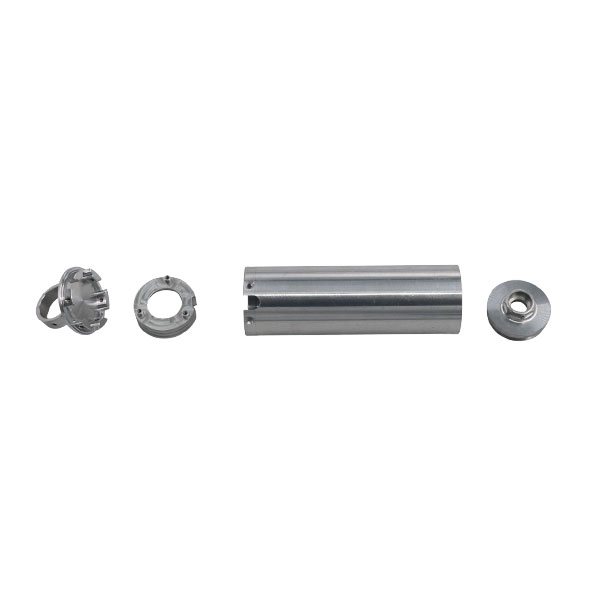
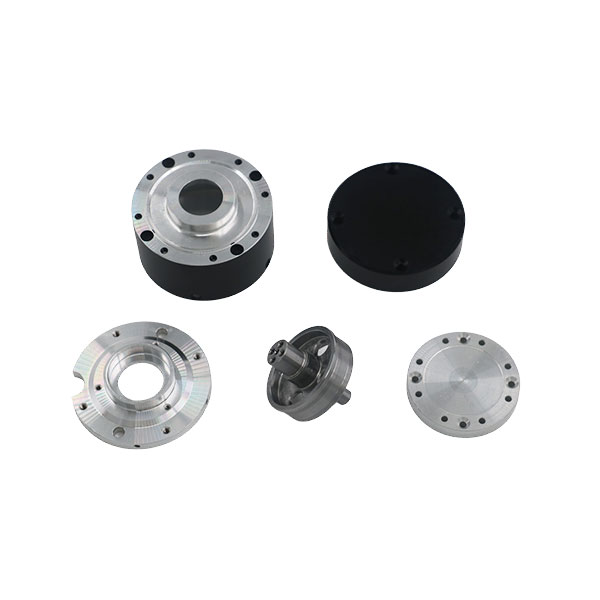
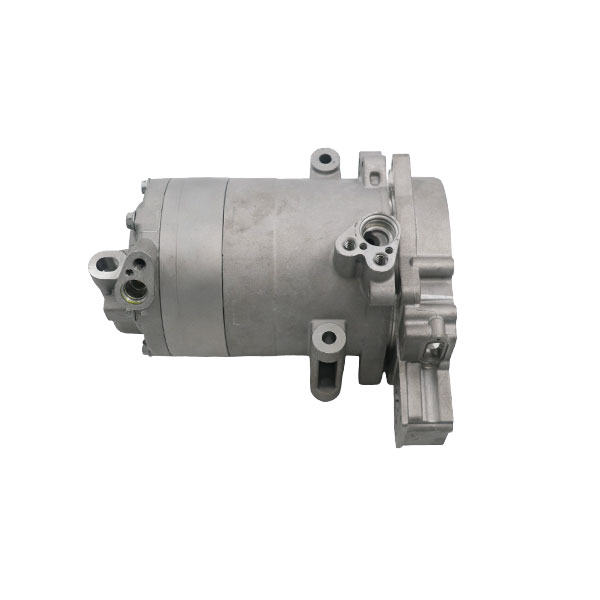
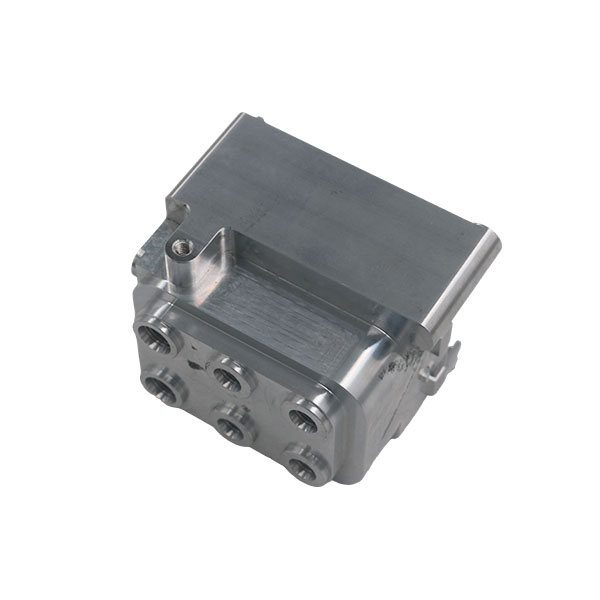
Manufacturing reliable humanoid robot joints requires a combination of precision machining technology, material control, assembly experience, and strict inspection procedures. At Spotless-Precision Machinery (Suzhou) Co., Ltd., we focus on every production detail because robotic components need stable performance over long operating periods.
Unlike common mechanical parts, robot joint components have higher requirements for dimensional accuracy, surface quality, and structural strength. A small deviation during manufacturing may influence the movement accuracy of the entire robot system.
1. Engineering Analysis and Design Confirmation
Before production begins, our engineering team reviews customer drawings, technical requirements, material specifications, and application conditions.
During this stage, we mainly confirm:
This early communication helps reduce production risks and ensures the final product meets customer expectations.
2. Precision Machining Process
Precision machining is one of the key steps in manufacturing humanoid robot joint components. Advanced Machining equipment is used to achieve accurate dimensions and stable product consistency.
Our machining process may include:
These processes help create smooth surfaces and accurate structures, which are important for robot joint assembly.
3. Cold Heading and Special Forming Technology
For certain non-standard robotic parts, cold heading technology can improve production efficiency and structural strength.
Our company has specially hired a cold heading expert with 30 years of experience, especially skilled in cold heading hexagonal forming. This experience helps us manufacture special-shaped components with improved consistency and reduced secondary processing requirements.
Cold heading technology provides advantages such as:
Improved material utilization
Better production consistency
Higher forming efficiency
Stable mechanical properties
4. Surface Treatment and Protection
Depending on customer requirements, Humanoid robot joint parts may require surface treatment to improve durability and environmental resistance.
Common treatments include:
5. Assembly and Quality Testing
After machining, components enter inspection and assembly stages. We carefully check product dimensions, appearance quality, and functional requirements.
Quality inspection includes:
Dimensional measurement
Surface inspection
Assembly verification
Performance testing
Material Selection for Humanoid Robot Joint Components
Material selection directly affects the performance of robotic joints. Different applications require different balances between strength, weight, durability, and cost.
| Material | Main Advantages | Typical Application |
|---|
| Aluminum Alloy | Lightweight, corrosion resistant, easy machining | Robot structural parts |
| Stainless Steel | High strength and excellent durability | High-load robot joints |
| Titanium Alloy | Lightweight and high strength ratio | Advanced robotic applications |
| Engineering Plastic | Low weight and good insulation | Special robotic components |
Source: General engineering material characteristics used in precision mechanical manufacturing.
Technical Advantages of Our Humanoid Robot Joints
When developing robotic components, we focus on practical performance rather than only appearance. A good robot joint needs to work reliably in real applications.
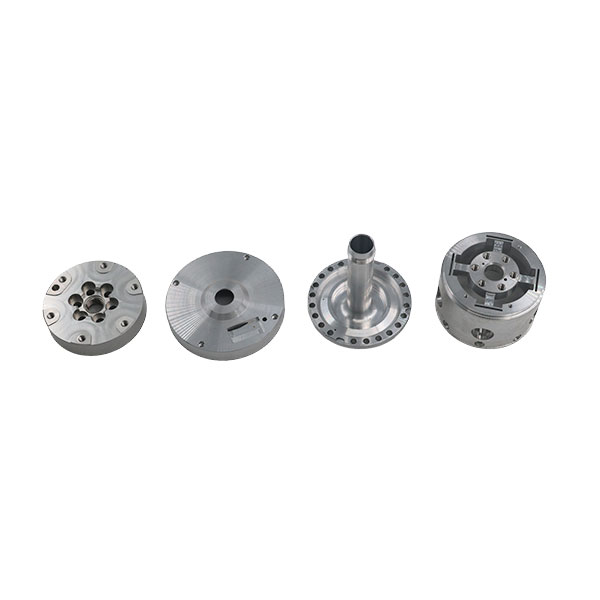
High Dimensional Accuracy
Humanoid robots depend on precise movement. Accurate dimensions help different components fit together properly and reduce unnecessary vibration.
Our production process focuses on:
Reliable Mechanical Performance
Robot joints experience repeated movement and mechanical stress. Strong structures help improve service life and reduce maintenance frequency.
Customized Design Support
Different robot manufacturers have different requirements. We support customized production based on drawings, samples, or technical specifications.
Customization services include:
Stable Batch Production Capability
For robotics companies, product consistency is very important. Whether producing prototypes or larger quantities, stable manufacturing processes help maintain reliable quality.
Quality Control Standards for Humanoid Robot Joints
Quality control is an important part of our manufacturing process. Before shipment, every product is checked according to customer requirements.
| Inspection Item | Purpose | Inspection Method |
|---|
| Dimensional Inspection | Ensure accuracy | Precision measuring equipment |
| Appearance Inspection | Check surface quality | Visual and professional inspection |
| Performance Testing | Verify function requirements | Testing equipment and procedures |
| Material Verification | Confirm material compliance | Material documents and inspection |
Source: Standard quality control practices for precision industrial components.
Production Cycle and Delivery Standards
The production cycle of humanoid robot joints depends on product structure, customization level, material requirements, and testing procedures.
Generally, the production period ranges from:
Before delivery, we provide necessary quality documents, including:
Dimensional inspection reports
Performance testing records
Appearance inspection records
Technical documentation
Why Precision Matters in Humanoid Robot Joint Manufacturing
A humanoid robot is a complex system made up of many interconnected parts. Joint components may appear small, but they directly influence the robot's movement ability.
For example, inaccurate joint dimensions may cause:
That is why professional manufacturing experience and careful quality management are essential when producing robotic joint components.
Why Choose Spotless-Precision Machinery for Humanoid Robot Joint Manufacturing?
Choosing the right supplier for humanoid robot joints is an important decision for robotics companies. Robot systems require components that can work accurately, repeatedly, and reliably for long periods. A supplier must understand not only machining technology but also the practical requirements of advanced robotic applications.
At Spotless-Precision Machinery (Suzhou) Co., Ltd., we focus on customized precision manufacturing for non-standard industrial parts. Our experience in cold heading, machining, and special component production allows us to support customers developing next-generation robotic systems.
Professional Experience in Precision Component Manufacturing
Our company specializes in manufacturing non-standard industrial fastening systems and special parts. We understand that every component used in a high-end machine requires careful design, accurate processing, and stable quality.
For humanoid robot applications, our manufacturing experience helps customers solve challenges such as:
Complex component structures
Strict dimensional requirements
Customized production needs
Stable batch manufacturing
Experienced Technical Team
We have specially hired a cold heading expert with 30 years of experience. This professional knowledge is especially valuable for difficult forming processes and customized mechanical parts.
With practical manufacturing experience, our team can provide suggestions during product development, helping customers improve production efficiency and optimize component structures.
Flexible Custom Manufacturing Capability
Humanoid robot manufacturers often need different joint structures depending on robot design, movement requirements, and application environments.
We support customized solutions based on:
Whether customers need prototype development or long-term production cooperation, we can provide suitable manufacturing support.
Applications of Humanoid Robot Joints in Different Industries
The development of artificial intelligence and robotics is creating new opportunities for humanoid robots. High-quality robotic joints allow robots to complete more complicated tasks and operate in more environments.
1. Smart Factory Applications
In modern manufacturing facilities, humanoid robots are expected to assist workers with assembly, inspection, material handling, and repetitive operations.
Reliable humanoid robot joints help improve:
Production flexibility
Operation accuracy
Working efficiency
Automation capability
2. Logistics and Warehouse Automation
Warehouses require robots that can move freely and handle different tasks. Humanoid robots with advanced joint systems can perform walking, carrying, sorting, and transportation operations.
3. Healthcare and Service Robots
Healthcare robots require smooth movement and safe interaction. Precision robot joints help achieve controlled movement and better human-machine communication.
4. Research and Educational Robots
Universities and research organizations use humanoid robots to study artificial intelligence, mechanical engineering, motion control, and human interaction technologies.
5. Special Working Environments
Humanoid robots may be used in environments where traditional human operation is difficult. Reliable joints help robots maintain stable performance in challenging conditions.
Packaging Solutions for Humanoid Robot Joint Components
Because precision humanoid robot joints contain carefully processed mechanical parts, safe packaging is necessary during transportation.
We use professional protective packaging methods to reduce risks caused by vibration, humidity, and external impact.
Our packaging solutions include:
Shockproof packaging materials
Moisture-proof protection
Dust prevention measures
Secure internal positioning
Protective outer packaging
These methods help maintain product accuracy and ensure safe delivery to customers worldwide.
Transportation Methods for Humanoid Robot Joints
Depending on customer requirements, order quantity, and delivery schedule, we provide different transportation options.
| Transportation Method | Recommended Application | Main Benefits |
|---|
| International Express | Samples and small orders | Fast delivery and tracking convenience |
| Air Freight | Urgent customized orders | Short transportation time |
| Sea Freight | Large quantity production orders | Lower transportation cost |
| Special Logistics Service | High-value precision components | Professional handling protection |
Source: Common transportation solutions for international precision industrial products.
Payment Methods and International Cooperation
For global customers, we provide practical payment solutions based on project requirements.
Common payment methods include:
We maintain clear communication throughout the entire process, including technical confirmation, production progress, quality inspection, and final shipment.
Frequently Asked Questions About Humanoid Robot Joints
Q1: What are humanoid robot joints used for?
Humanoid robot joints are used to connect robot body structures and provide controlled movement. They allow robots to perform actions similar to human joints, including rotation, bending, and coordinated motion.
Q2: What makes humanoid robot joints different from normal mechanical joints?
Humanoid robot joints require higher precision, better control ability, and stronger reliability because they support complex movements and continuous operation.
Q3: Can you manufacture customized humanoid robot joints?
Yes. We provide customized manufacturing according to customer drawings, technical requirements, materials, and application conditions.
Q4: What industries use humanoid robot joints?
They are used in smart manufacturing, logistics automation, healthcare robots, research equipment, education robots, and advanced intelligent systems.
Q5: What is the production time for customized robot joints?
The production cycle is generally 30-120 working days depending on product complexity, customization requirements, material selection, and inspection procedures.
Q6: How do you guarantee product quality?
We perform dimensional inspection, performance testing, appearance inspection, and technical document verification before delivery to ensure products meet customer requirements.
Q7: What information should customers provide for a quotation?
Customers can provide drawings, 3D models, material requirements, technical specifications, expected quantity, and application information. Our engineering team will evaluate the project requirements.
Future Trends of Humanoid Robot Joint Technology
The future development of humanoid robots will require more advanced joint systems. As robots become more intelligent and widely used, joint components will continue to improve in several areas.
The combination of precision manufacturing and intelligent technology will continue to drive the growth of humanoid robotics.
Conclusion: Reliable Humanoid Robot Joint Solutions for Future Robotics
Humanoid robot joints are essential components that determine the movement ability and reliability of humanoid robots. From structural design and precision machining to quality inspection and delivery protection, every production step influences final product performance.
At Spotless-Precision Machinery (Suzhou) Co., Ltd., we focus on providing customized precision manufacturing solutions for advanced industries. Our experience in non-standard parts, cold heading technology, and machining processes enables us to support customers with reliable robotic component solutions.
With professional manufacturing capability, strict quality control, and flexible customization services, we are committed to becoming a trusted partner for companies developing intelligent robots and automation equipment.
If you are looking for a supplier of custom humanoid robot joints, precision robotic joint components, or high accuracy robot motion parts, we welcome you to contact us and discuss your project requirements.

 Español
 Pусский
 العربية
 Tiếng Việt



 Phone
Phone