
 Español
 Pусский
 العربية
 Tiếng Việt
Vehicle air conditioning system components
A vehicle air conditioning system is designed to regulate the temperature, humidity, and airflow inside a car, making the cabin comfortable in hot or humid weather. It works by using a group of connected components that circulate refrigerant and transfer heat from the cabin to the outside environment. Each part of the system has a specific function, and all parts must work together properly for the air conditioning system to operate efficiently.The main component is the compressor. It is often called the heart of the air conditioning system because it pressurizes the refrigerant and keeps it moving through the circuit. The compressor takes low-pressure refrigerant gas from the evaporator and converts it into a high-pressure, high-temperature gas. This gas then flows to the condenser.The condenser is usually located in front of the vehicle’s radiator. Its job is to release heat from the refrigerant into the outside air. As the hot refrigerant gas passes through the condenser, it cools down and changes into a high-pressure liquid. Airflow from the vehicle moving forward or from cooling fans helps the condenser remove heat more effectively.After leaving the condenser, the refrigerant passes through the receiver-drier or accumulator, depending on the system design. This component removes moisture and filters out impurities. It also stores a small amount of refrigerant and helps protect the system from damage caused by water or debris.Next, the refrigerant moves through an expansion valve or an orifice tube. This part controls the flow of refrigerant into the evaporator. It reduces the pressure of the liquid refrigerant, causing it to expand and become very cold. By controlling the refrigerant flow, this component helps maintain proper cooling performance.The evaporator is located inside the cabin, usually behind the dashboard. It absorbs heat from the air inside the vehicle. When warm cabin air passes over the cold evaporator coil, the refrigerant inside absorbs the heat and turns back into a gas. At the same time, moisture in the air condenses on the evaporator surface, helping to reduce humidity inside the cabin. This process produces cool, dry air that is blown into the passenger compartment by the blower fan.The blower motor and fan are also important parts of the system. They push air across the evaporator and into the cabin through the air vents. Without proper airflow, the cooling effect would be weak and uneven.Other important parts include hoses, pipes, seals, sensors, and control switches. These parts connect the system, maintain pressure, and help monitor temperature and refrigerant levels. Modern vehicles may also use electronic control units to improve efficiency and automatically adjust the system based on cabin conditions.In summary, a vehicle air conditioning system consists of several essential components working together to cool and dehumidify the air inside the car. From the compressor to the evaporator, each part plays a vital role in creating a comfortable driving environment.
Products
Category:
-
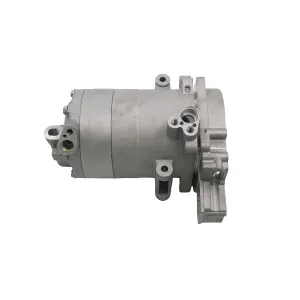
Complete set of car air conditioning compressor
Category: AutomobileBrowse number: 13Number:Release time: 2026-09-21 16:14:18The complete set of car air conditioning compressor is an integrated automotive cooling solution designed for efficient and stable climate control performance. It includes essential compressor components manufactured with high precision and strict quality standards. Suitable for passenger vehicles, commercial vehicles, and electric vehicles, it ensures reliable operation and long service life.
News
Category:
No search results found!
Case
Category:
No search results found!
Video
Category:
No search results found!
Download
Category:
No search results found!
Job
Category:
No search results found!
Featured Products
No search results found!



 Phone
Phone